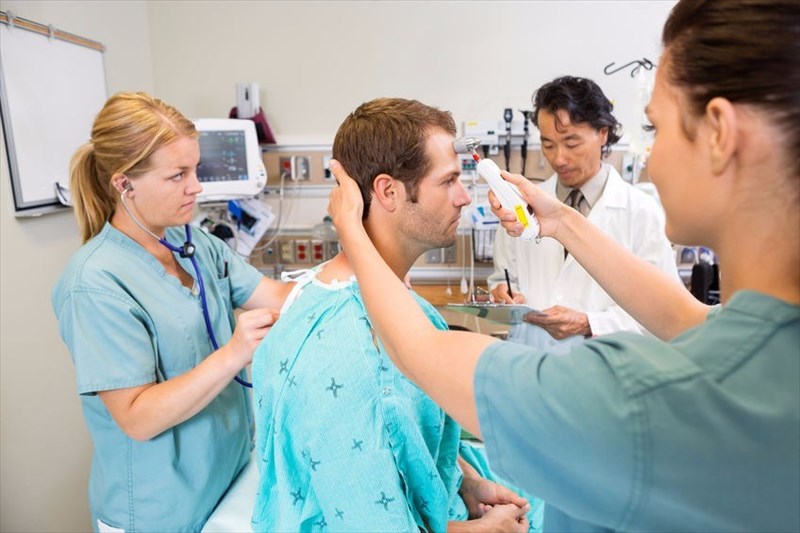
Stroke Care
What is Stroke Care?
Stroke care refers to the comprehensive medical management and rehabilitation provided to patients who have experienced a stroke. A stroke occurs when blood flow to the brain is interrupted, either by a clot (ischemic stroke) or a bleed (hemorrhagic stroke), leading to brain cell damage. Timely and specialized stroke care is essential to minimize brain injury, restore function, and improve overall recovery, allowing patients to regain independence and quality of life.
How Stroke Care Works
Stroke care involves rapid diagnosis, immediate treatment, and ongoing rehabilitation. In the acute phase, treatments such as clot-busting medications, mechanical thrombectomy, or surgical interventions may be employed to restore blood flow and reduce brain damage. Once stabilized, patients receive supportive care, including monitoring vital signs, managing complications, and addressing underlying risk factors. Early intervention combined with a structured recovery plan is critical for optimal outcomes.
Conditions Treated with Stroke Care
Stroke care addresses both ischemic and hemorrhagic strokes, as well as transient ischemic attacks (TIAs), often called “mini-strokes.” Symptoms such as sudden weakness, numbness, speech difficulties, facial drooping, or vision problems indicate the need for immediate care. Comprehensive stroke management not only focuses on preventing further strokes but also on improving mobility, speech, cognition, and daily functioning affected by the initial event.
Procedure and What to Expect
The stroke care process begins with emergency evaluation and diagnostic imaging to determine the type and severity of the stroke. Acute treatments, such as thrombolytic therapy or surgical procedures, are administered as appropriate. Following stabilization, patients engage in rehabilitation programs that may include physical therapy, occupational therapy, speech therapy, and cognitive exercises. Care plans are individualized based on the patient’s deficits and recovery goals, ensuring continuous support throughout the recovery journey.
Possible Side Effects and Precautions
While stroke care is life-saving, patients may face challenges during recovery. Complications can include persistent weakness, balance problems, speech or swallowing difficulties, and emotional changes such as depression or anxiety. Preventive measures such as blood pressure control, diabetes management, healthy lifestyle habits, and adherence to medications are crucial to reduce the risk of recurrent strokes. Close monitoring and patient education are essential for maintaining long-term health and preventing complications.
Stroke Care with Dr. Megha Sharda
At Accord Superspecialty Hospital, Dr. Megha Sharda provides expert stroke care tailored to each patient’s needs. She combines advanced medical interventions with individualized rehabilitation programs, ongoing monitoring, and patient counseling. By integrating acute treatment with long-term recovery strategies, Dr. Sharda empowers patients to regain independence, improve neurological function, and enhance overall quality of life after a stroke.